
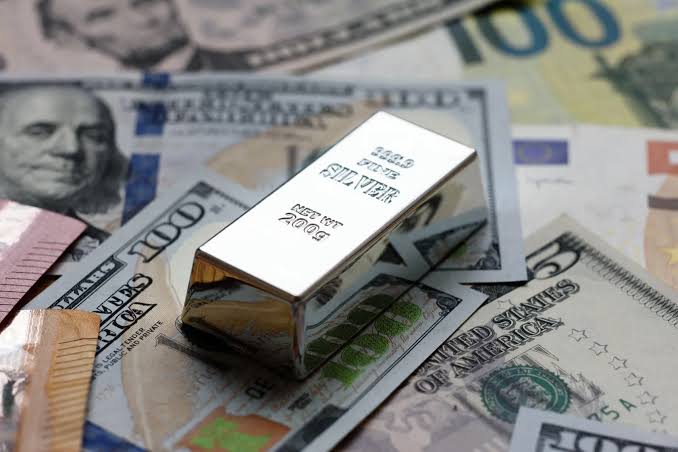
The Silver Deficit: A Quick Guide for Investors
Silver has long lived in the shadow of gold. While gold is often seen as the ultimate safe-haven asset, silver plays a more complex role in the global economy. It is both a precious metal and an essential industrial material, used in everything from solar panels and electronics to electric vehicles and medical applications.
In recent years, growing industrial demand and constrained supply have brought increasing attention to one important concept: the silver deficit.
But what exactly does a silver deficit mean, and why should investors pay attention?
What Is a Silver Deficit?
A silver deficit occurs when global demand for silver exceeds the amount of newly available supply.
Supply generally comes from two main sources:
- Mine production
- Recycled silver
Demand, meanwhile, comes from a combination of:
- Industrial applications
- Jewellery and silverware
- Investment products such as coins and bars
- Exchange-traded products and other investment vehicles
When total demand exceeds the available annual supply, the market enters a deficit. The difference may be covered temporarily by existing above-ground inventories, but this cannot continue indefinitely without affecting the broader supply-demand balance.
Why Is Demand for Silver Growing?
One of the biggest drivers behind the silver market is its increasing importance to modern technology.
Silver is highly conductive, making it valuable for a wide range of electrical and electronic applications. As the global economy becomes more dependent on technology and electrification, demand for the metal has the potential to remain strong.
Solar Energy
Silver is used in photovoltaic cells that convert sunlight into electricity. As governments and companies continue investing in renewable energy infrastructure, the solar industry has become an increasingly important source of silver demand.
Electric Vehicles and Electronics
Modern vehicles, particularly electric vehicles, require significant amounts of electronic components. Silver is also used in smartphones, computers, data centres, telecommunications equipment and other advanced technologies.
Artificial Intelligence and Data Infrastructure
The expansion of AI, cloud computing and large-scale data infrastructure is increasing global demand for electronics and electrical systems. While silver is only one component of this ecosystem, the broader trend towards greater technological capacity could support industrial demand over the long term.
The Supply Challenge
Unlike some commodities, silver production cannot always be increased quickly when prices rise.
A significant portion of global silver production comes as a by-product of mining other metals, such as copper, lead and zinc. This means silver supply is often influenced by the economics and production decisions of other mining industries.
Opening new mines is also a long and expensive process involving exploration, financing, permits, infrastructure and development.
As a result, if demand increases faster than mine production and recycling, the market may remain under pressure for an extended period.
Does a Silver Deficit Automatically Mean Higher Prices?
Not necessarily.
A supply deficit is an important market signal, but it does not guarantee that silver prices will rise immediately. Commodity prices are influenced by many factors, including:
- Interest rates
- Inflation expectations
- The strength of the US dollar
- Economic growth
- Investor sentiment
- Geopolitical uncertainty
- Futures market activity
- Existing above-ground inventories
For example, inventories accumulated during previous years may help meet demand during a deficit. This can delay or reduce the immediate impact on prices.
However, if deficits continue for several years and available inventories decline, the market may become more sensitive to changes in demand and supply.
Silver vs Gold: Why Investors See an Opportunity
Gold is primarily viewed as a monetary and investment asset, while silver has a dual identity.
Silver can benefit from:
- Investment demand, particularly during periods of inflation, financial uncertainty or currency concerns.
- Industrial demand, driven by technology, renewable energy and electrification.
This combination can make silver particularly interesting for investors looking for exposure to both precious metals and long-term industrial growth.
At the same time, this dual role can also make silver more volatile than gold. During economic slowdowns, weaker industrial activity may negatively affect demand, even if investment interest remains strong.
Ways to Invest in Silver
Investors have several options for gaining exposure to silver.
Physical Silver
Buying silver bars or coins provides direct ownership of the metal.
Advantages:
- Direct exposure to physical silver
- No reliance on a financial institution for ownership
- Can act as a tangible store of value
Considerations:
- Storage and insurance costs
- Dealer premiums
- Potential differences between buying and selling prices
Silver ETFs and Exchange-Traded Products
These products can provide exposure to silver prices without requiring investors to store physical metal themselves.
They may offer greater convenience and liquidity, although investors should understand how each product is structured and whether it is backed by physical silver.
Silver Mining Stocks
Investors can also gain exposure through companies involved in silver mining.
Mining stocks can potentially benefit from rising silver prices, but they also carry company-specific risks such as operational issues, production costs, political risks and management decisions.
Diversified Mining or Commodity Funds
For investors who do not want to rely on the performance of a single mining company, diversified funds may provide broader exposure to the sector.
What Should Investors Watch?
Anyone following the silver market should keep an eye on several key indicators:
- Global silver supply and demand
- Mine production levels
- Recycling activity
- Solar industry growth
- Electric vehicle production
- Technology and electronics demand
- Central bank policies and interest rates
- Inflation expectations
- The US dollar
- Investment flows into silver-backed products
The relationship between these factors can help investors understand whether the silver deficit is strengthening, weakening or being offset by other market forces.
The Bottom Line
The silver deficit is an important trend because it highlights a growing imbalance between the world’s demand for silver and the supply entering the market.
Silver’s role in renewable energy, electronics, electric vehicles and advanced technologies gives it a unique position among precious metals. At the same time, supply constraints and the difficulty of rapidly increasing mine production could make the market increasingly sensitive if deficits persist.
For investors, however, a silver deficit should not be viewed as a guaranteed prediction of higher prices. Silver remains a volatile asset influenced by economic conditions, monetary policy and investor sentiment.
The key takeaway is simple: a sustained silver deficit can create a strong long-term fundamental case for monitoring the metal, but successful investing still requires understanding the broader market, managing risk and maintaining a diversified strategy.
Disclaimer: This article is for informational purposes only and does not constitute financial or investment advice. Investors should conduct their own research and consider consulting a qualified financial professional before making investment decisions.
View Abdullah Sakkijha Jewelry’s latest collections and pieces: https://abdullahsakkijha.com/
Visit us: Swefieh, Al-Hamra Street – Amman, Jordan
Follow us on our socials:
Instagram | Facebook |Snapchat | TikTok | YouTube







Add comment