
Beyond 24 Karats: Why Pure Gold Needs a Supporting Cast
Walk into any jewelry boutique and you will immediately encounter a series of numbers stamped onto tiny tags: 14K, 18K, 22K, 24K. To the uninitiated, it seems intuitive that higher is always better—after all, why settle for 75 percent gold when you can have 99.9 percent? Yet in the world of fine jewelry, purity is a double-edged sword. Understanding the metallurgy behind gold alloys reveals why the most coveted pieces on earth are rarely pure gold, and how mixing metals transforms a soft yellow element into wearable architecture.
The Problem with Perfection
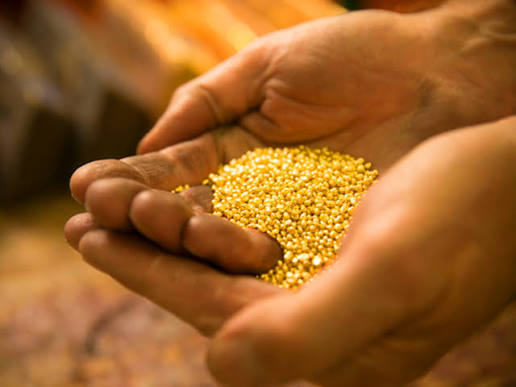
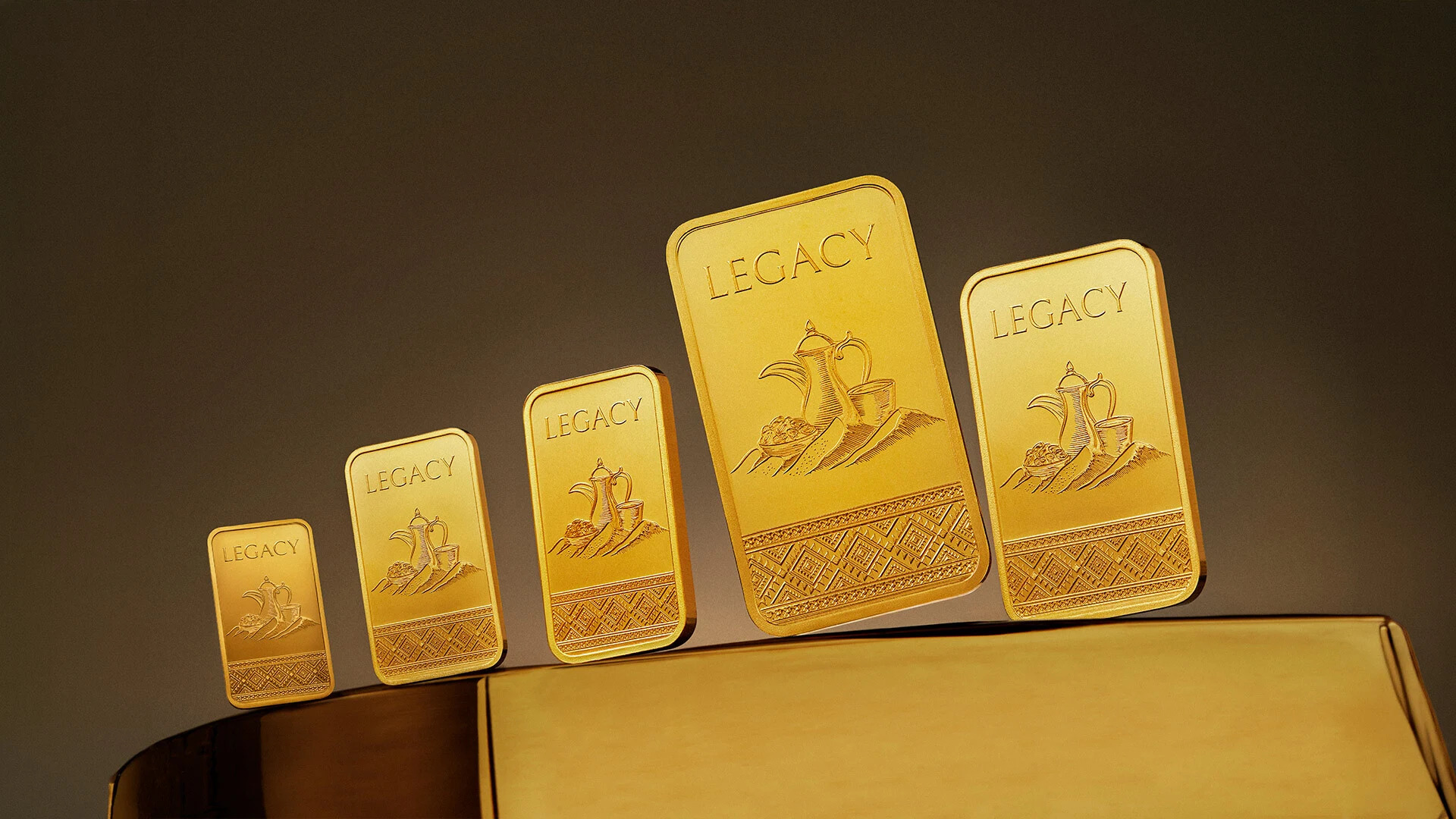
In its purest 24-karat form, gold is remarkably malleable. A single ounce of pure gold can be beaten into a translucent sheet measuring roughly 300 square feet, or drawn into a wire fifty miles long. While these properties make 24K gold prized for bullion bars, ceremonial pieces, and intricate traditional craftsmanship in parts of Asia and the Middle East, they create major vulnerabilities for everyday wear.
A 24K gold ring worn daily will quickly bend out of shape, pick up deep scratches from ordinary surfaces, and lose sharp design details over time. Worse still, pure gold lacks the structural tension needed to hold gemstones securely. A delicate prong setting crafted from 24K gold can easily warp if caught on a sweater sleeve, sending a diamond or sapphire tumbling to the floor.
The Alchemy of Alloys
To solve this, jewelers rely on alloying—blending pure gold with stronger metals like copper, silver, zinc, nickel, or palladium. The karat system measures the ratio of pure gold to these supporting metals out of 24 parts:
-
22K Gold (91.7% pure): Retains a rich, warm yellow hue and high intrinsic value, though it remains relatively soft and best suited for pieces without delicate stone settings.
-
18K Gold (75% pure): Widely considered the gold standard for luxury fine jewelry. It strikes an ideal balance between luminous color, tarnish resistance, and structural integrity.
-
14K Gold (58.3% pure): Durable, scratch-resistant, and more accessible in price, making it a favorite for engagement rings and everyday staples.
-
10K Gold (41.7% pure): The most rigid and budget-friendly option, containing more alloy metals than actual gold.
Designing Color Through Chemistry
Alloying does far more than add strength—it unlocks an entire palette of hues. Pure gold has only one natural color: a deep, saturated yellow. Every variation you see in a display case is the result of deliberate metallurgical recipes.
Rose gold owes its romantic blush to copper. The higher the copper content, the deeper the reddish-pink tone becomes, alongside a subtle boost in durability. White gold, on the other hand, is created by blending yellow gold with naturally white metals such as palladium, nickel, or silver. Because the resulting metal still retains a faint warm undertone, jewelers typically finish white gold with a bright, mirror-like plating of rhodium, a rare member of the platinum family.
There are even exotic variations like green gold (electrum), achieved by increasing the silver content, and purple or blue gold, which rely on specialized intermetallic compounds with aluminum or indium—though these remain rare curiosities due to their brittleness.
Choosing the Right Karat for Your Lifestyle
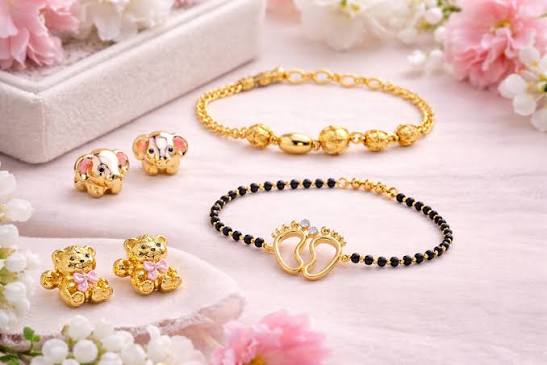
Selecting the right gold isn’t about chasing the highest number on a hallmark; it is about matching the metal to the way you live. If you are shopping for a chunky chain or heirloom bangle meant to hold high bullion value, 22K or 24K shines brightest. If you want an intricate pavé diamond ring or a bracelet that never leaves your wrist, 14K or 18K provides the resilience to keep your piece intact for generations.
Ultimately, fine gold jewelry is a triumph of balance. By trading a fraction of pure gold for a carefully chosen blend of companion metals, jewelers turn an ancient, yielding element into something built to endure a lifetime.
View Abdullah Sakkijha Jewelry’s latest collections and pieces: https://abdullahsakkijha.com/
Visit us: Swefieh, Al-Hamra Street – Amman, Jordan
Follow us on our socials:
Instagram | Facebook |Snapchat | TikTok | YouTube

Add comment