
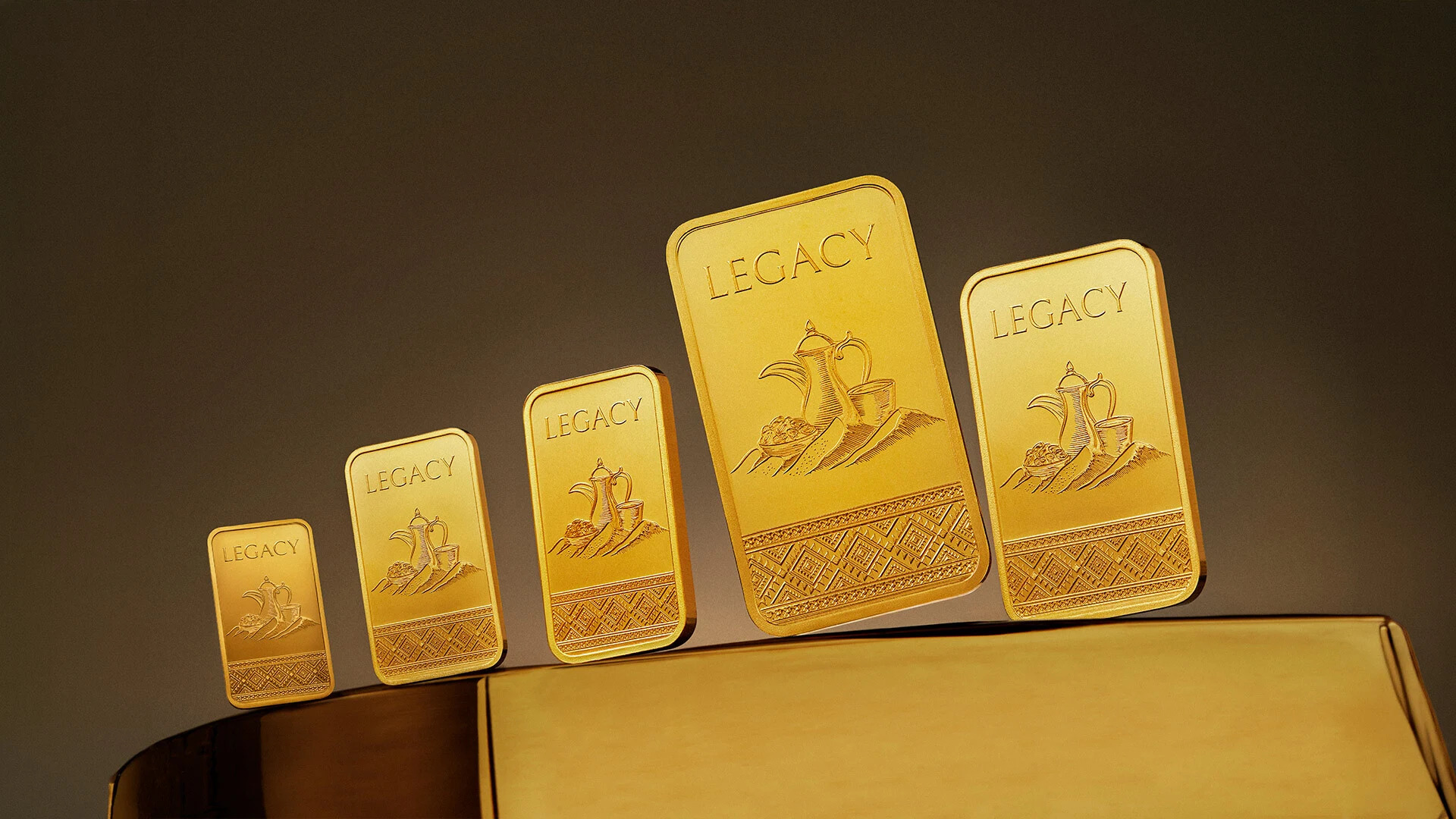
Beyond 14k and 18k: Why High-Karat Gold (22k & 24k) is Making a Modern Comeback
For decades, Western jewelry counters have been dominated by 14-karat and 18-karat gold. They are practical, durable, and versatile—the reliable everyday standards of modern fine jewelry. Yet, across global fashion capitals and independent studio benches, a noticeable shift is underway. Collectors and everyday wearers alike are increasingly gravitating toward the unmistakable, buttery warmth of 22-karat and 24-karat gold.
Once viewed by some outside of South Asia, the Middle East, and East Asia as too soft or too traditional for daily wear, high-karat gold is experiencing a renaissance. Driven by a desire for intrinsic value, heirloom craftsmanship, and raw visual richness, 22k and 24k pieces are redefining what modern luxury looks like.
The Allure of Pure Color
The most immediate difference between 14k and 22k gold isn’t found on a jeweler’s scale—it’s visible across the room.
Gold’s natural color is a deep, saturated, sun-drenched yellow. Because 14k gold is only 58.3% pure gold (with the remaining 41.7% composed of alloys like copper, silver, zinc, or nickel), its hue is noticeably paler and cooler. Even 18k gold, at 75% purity, carries a restrained brightness.
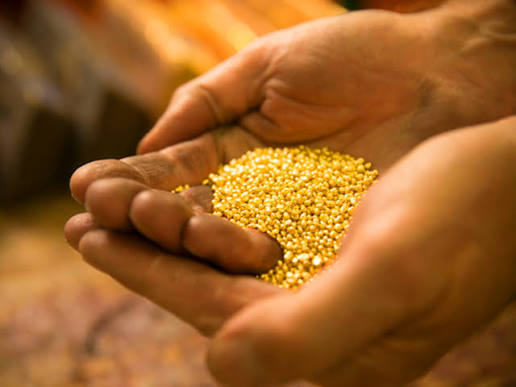
By contrast, 22k gold is 91.67% pure, and 24k is 99.9% pure. At these levels, the metal takes on an almost hypnotic, velvet-like glow that no alloy can replicate. It flatters a wide spectrum of skin tones with a richness that looks less like a polished accessory and more like ancient treasure.
Jewelry as Wearable Wealth
In an era of fast fashion and fluctuating markets, consumers are thinking more critically about where their money goes. Unlike heavily marked-up designer pieces made with lower-karat gold or plated brass, high-karat gold carries undeniable intrinsic value.
In markets like Dubai, Mumbai, and Hong Kong, gold jewelry has long served a dual purpose: personal adornment and portable financial security. Today, younger buyers globally are adopting this mindset. Purchasing a heavy 22k chain or a pair of solid 24k bangles feels less like an impulse buy and more like acquiring a tangible asset—one that can be worn, enjoyed, passed down, or liquidated if needed.
Debunking the “Too Soft” Myth
The most common hesitation around high-karat gold is durability. Pure gold is indeed a malleable metal; you wouldn’t want a delicate, razor-thin 24k prong holding a large, vulnerable diamond in place.
However, jewelers and wearers are rediscovering that softness isn’t a flaw—it’s a design parameter. Traditional artisans have worked with 22k and 24k gold for millennia by accounting for its physical properties:
-
Substantial Proportions: High-karat pieces are often forged slightly thicker or woven into dense, flexible structures like Byzantine, Franco, or wheat chains that distribute stress evenly.
-
Work-Hardening: Hammering, twisting, and forging pure gold compresses its molecular structure, naturally increasing its surface hardness without adding alloys.
-
Living Patina: Instead of sharp scratches, high-karat gold develops a soft, satin-like sheen over years of wear. Rather than looking worn out, the metal molds subtly to the body, taking on a character unique to its owner.
The Return of Hand-Forged Craftsmanship
High-karat gold behaves differently under a jeweler’s torch and hammer than lower-karat alloys. It melts cleanly, fuses without solder in techniques like ancient Etruscan granulation, and yields effortlessly to hand-engraving and filigree work.
As modern buyers seek out pieces with human touch and visible artistry over mass-produced uniformity, independent designers are returning to 22k gold specifically for how it responds to traditional tools. The result is jewelry with organic textures, crisp hand-stamped details, and soft, sculptural edges that machine-cast 14k gold rarely achieves.
How to Start Wearing High-Karat Gold
Transitioning to 22k or 24k jewelry doesn’t require an all-or-nothing overhaul of your collection. A few thoughtful approaches make it easy to integrate:
-
Start with Low-Impact Pieces: Earrings, pendants, and necklaces experience far less daily friction than rings or bracelets, making them ideal entry points for 24k gold.
-
Mix Your Karats: Contrary to old-school jewelry rules, layering a glowing 22k pendant on a sturdy 14k or 18k chain creates an intentional tonal contrast while keeping the high-wear clasp durable.
-
Embrace Secure Closures: Because pure gold is heavier and more pliable, look for traditional S-hooks, M-clasps, or heavy lobster clasps designed specifically for high-karat weight.
High-karat gold bridges the gap between ancient tradition and contemporary minimalism. Whether it’s a sleek, hand-hammered 24k band or a substantial 22k link bracelet, choosing purer gold is a quiet statement—one that values substance, permanence, and the unmatched beauty of the metal in its truest form.
View Abdullah Sakkijha Jewelry’s latest collections and pieces: https://abdullahsakkijha.com/
Visit us: Swefieh, Al-Hamra Street – Amman, Jordan
Follow us on our socials:
Instagram | Facebook |Snapchat | TikTok | YouTube


Add comment