Why Gold Jewellery Is Loved in the Levantine and Arab World
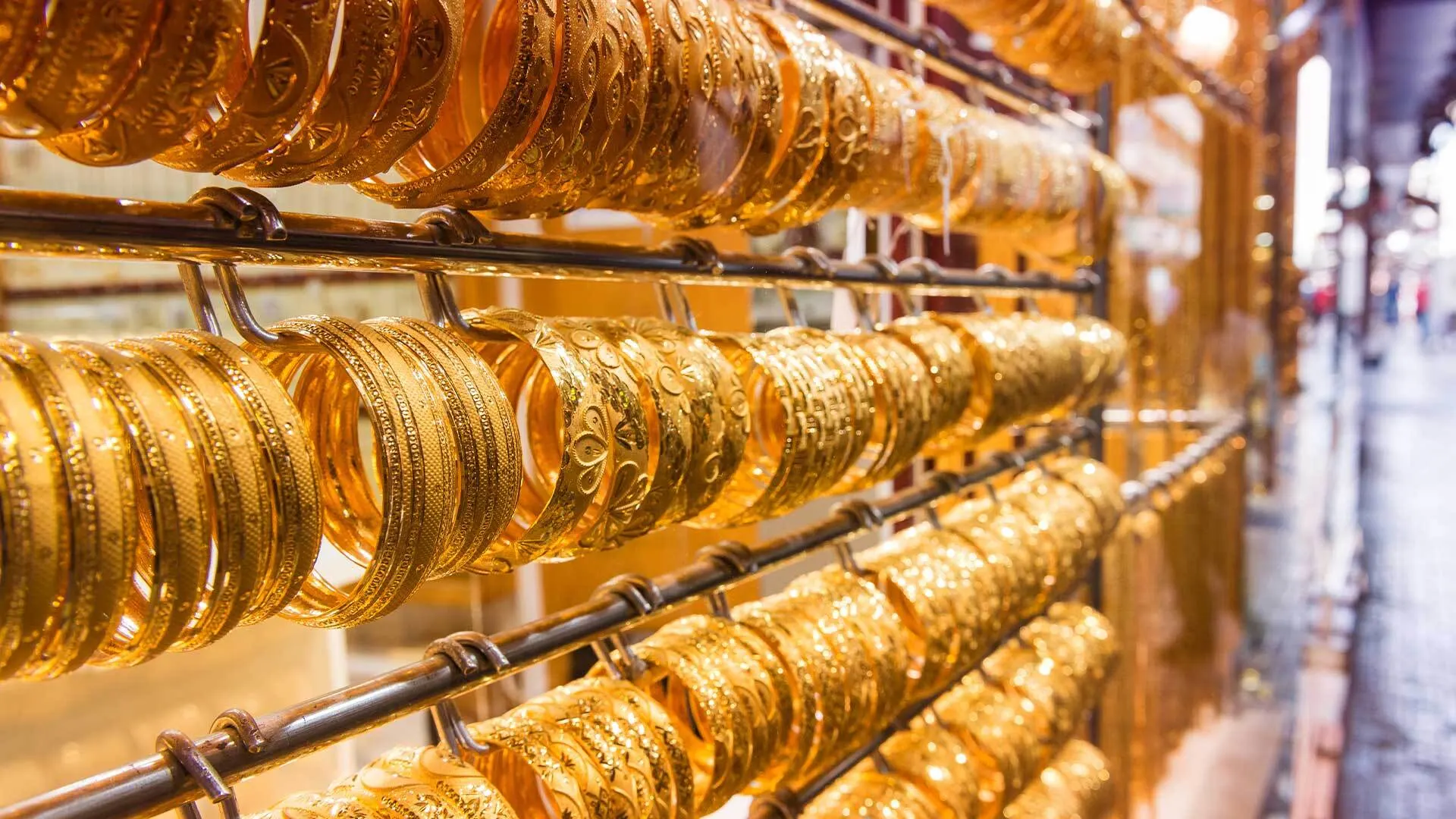
Gold jewellery holds a place in the Levantine and Arab world that goes far beyond beauty or fashion. It is deeply rooted in culture, tradition, identity, and even emotional security. For centuries, gold has been woven into everyday life, major celebrations, and personal milestones, making it one of the most cherished forms of adornment across the region.
A Symbol of Heritage and Tradition
In the Levantine and Arab world, gold jewellery is a living expression of heritage. Designs are often inspired by ancient civilizations, Islamic art, calligraphy, and traditional motifs passed down through generations. From Ottoman influenced patterns to Bedouin craftsmanship, gold tells stories of ancestry, land, and history. Wearing gold is not just about style. It is about honoring where one comes from.
Gold pieces are frequently inherited, gifted from mother to daughter or grandmother to granddaughter, carrying memories and emotional value that grow with time. These heirlooms transform jewellery into family history, preserved in precious metal.
Gold as a Sign of Status and Respect
Gold has long been associated with prestige and respect in Arab societies. Historically, the amount and quality of gold someone owned reflected their social standing and stability. Even today, gold jewellery is worn proudly at weddings, engagements, religious celebrations, and important gatherings as a sign of dignity and refinement.
In many Levantine cultures, wearing gold is seen as a form of elegance that never goes out of style. Whether minimal or bold, gold communicates confidence, success, and self worth.
Deeply Connected to Life’s Milestones
Few cultures celebrate life events with gold the way the Arab world does. Engagements, weddings, childbirth, and religious holidays are all marked by gifting gold jewellery. The mahr in marriages often includes gold, symbolizing commitment, security, and appreciation.
Gold is also gifted to newborns and new mothers, reinforcing its role as a blessing and a wish for prosperity. These traditions strengthen gold’s emotional significance and ensure its presence across generations.
A Form of Financial Security
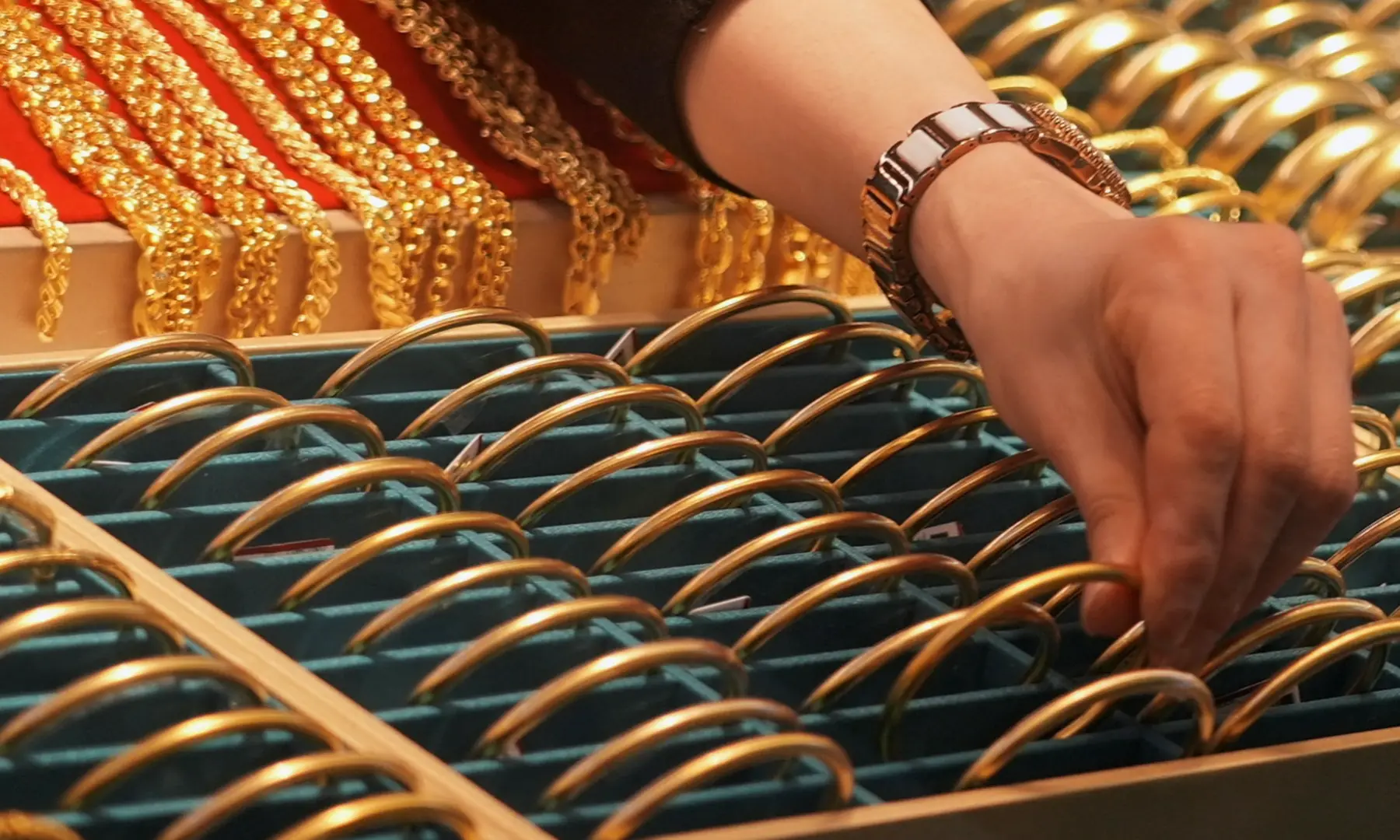
Beyond its beauty, gold has always been valued as a safe and reliable store of wealth. In the Levantine and Arab world, gold jewellery often serves a dual purpose—ornament and investment. Families see gold as something that can be worn, enjoyed, and passed down, while also remaining a financial safety net in times of need.
This practical mindset has helped sustain gold’s popularity, especially in regions where economic uncertainty has existed at different points in history.
Timeless Beauty That Transcends Trends
While fashion trends come and go, gold jewellery remains timeless. Its warm glow complements all skin tones and adapts effortlessly to both traditional attire and modern fashion. In the Arab world, gold is loved for its versatility. It can be bold and ceremonial or subtle and contemporary.
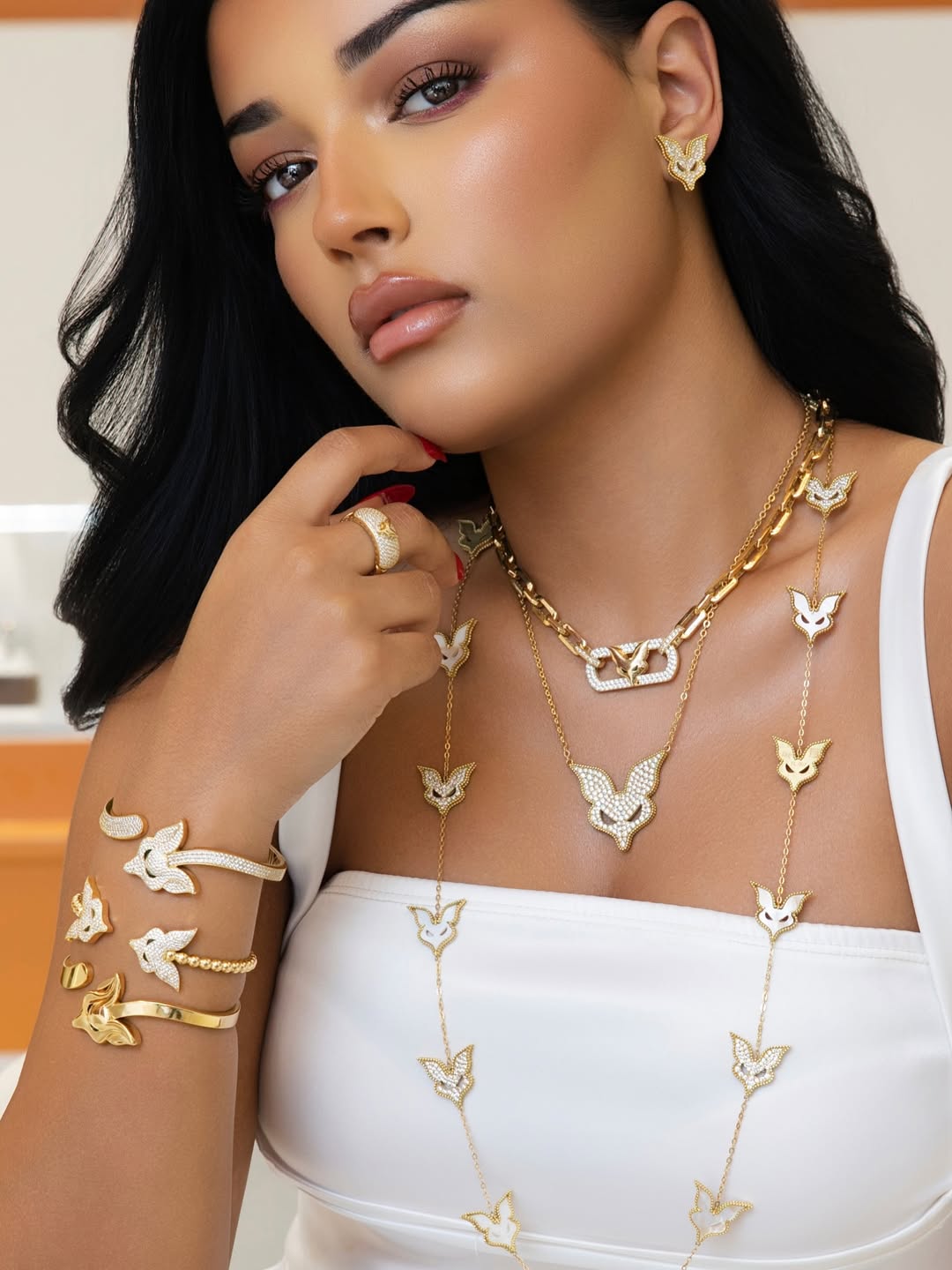
Modern designers continue to reinvent gold jewellery while respecting its cultural roots, allowing younger generations to connect with tradition in a way that feels fresh and personal.
A Reflection of Identity and Pride
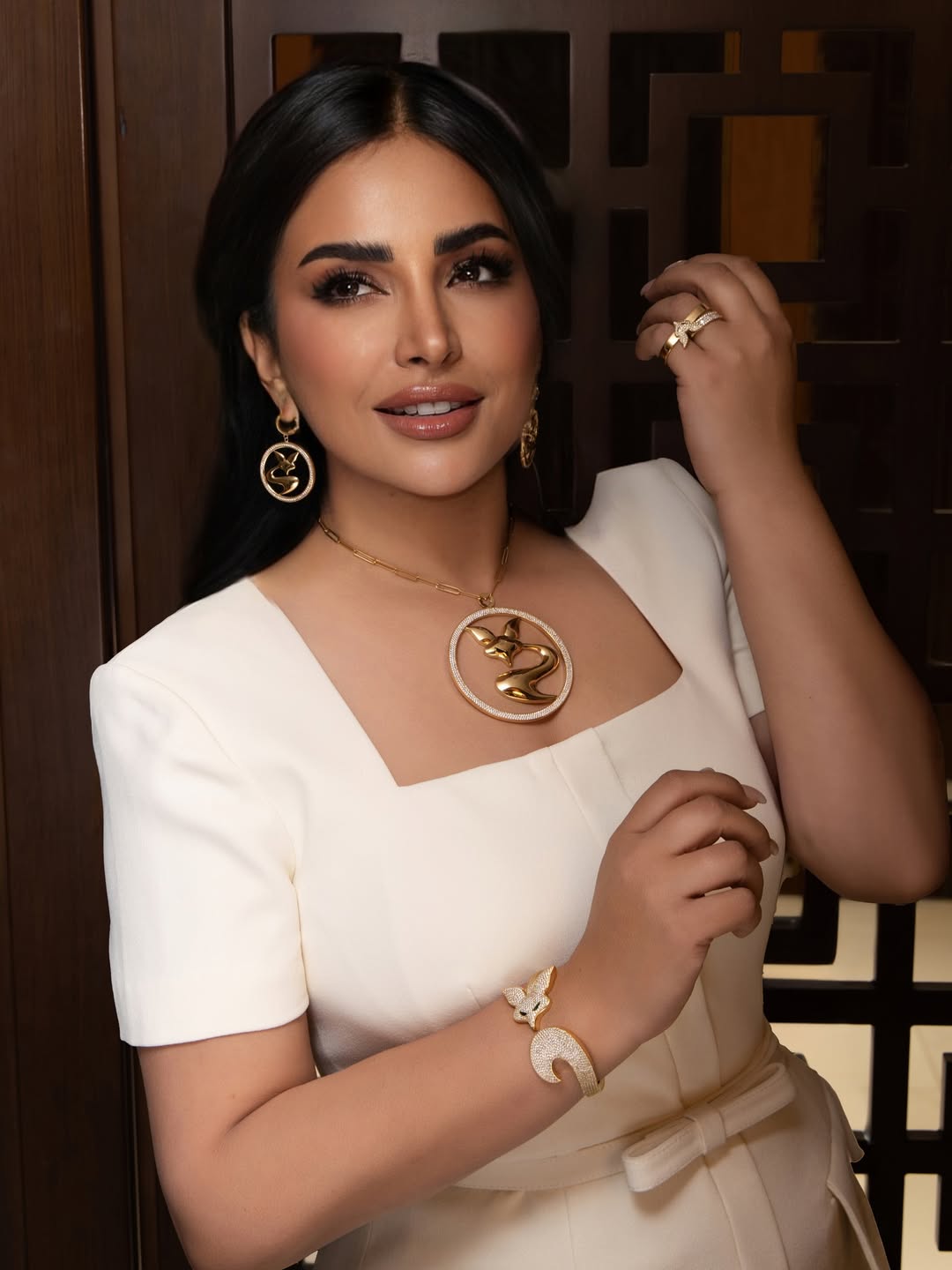
Ultimately, gold jewellery in the Levantine and Arab world is a reflection of identity. It represents pride in culture, appreciation for craftsmanship, and a deep emotional connection to tradition. Wearing gold is a way of expressing belonging, whether to family, heritage, or shared cultural values.
Gold is not just worn. It is felt, remembered, and celebrated.
View Abdullah Sakkijha Jewelry’s latest collections and pieces: https://abdullahsakkijha.com/
Visit us: Swefieh, Al-Hamra Street – Amman, Jordan
Follow us on our socials:
Instagram | Facebook |Snapchat | TikTok | YouTube



Add comment