
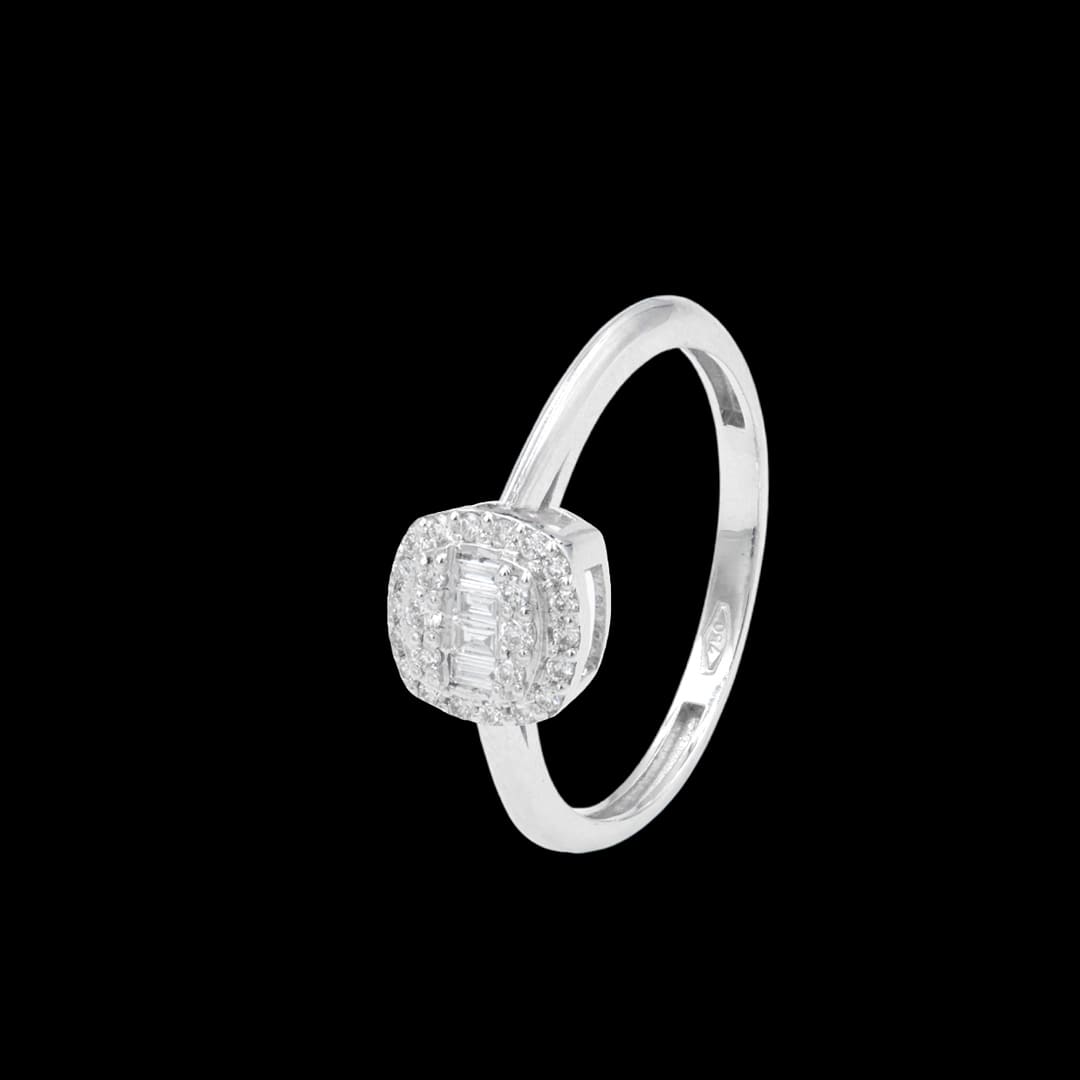
Why Engagement and Wedding Rings Are Worn on Different Fingers
Engagement and wedding rings are among the most meaningful pieces of jewellery a person will ever wear. While their emotional value is clear, many people do not stop to question why these rings are worn on specific fingers or why the engagement ring and wedding ring often have different placements. The answers lie in centuries of history symbolism and evolving cultural traditions.
The story begins in ancient civilizations long before diamonds became the symbol of commitment we know today. The ancient Egyptians are widely believed to be the first to use rings as a symbol of eternal love. To them the circle represented infinity with no beginning or end. They chose the fourth finger of the left hand because they believed it contained the vena amoris or vein of love which was thought to run directly to the heart. While modern anatomy has proven this belief to be symbolic rather than scientific the romance behind it endured.
The Romans later adopted this tradition further popularizing the idea of the engagement ring as a public declaration of intent. Roman engagement rings were often made of iron rather than gold symbolizing strength and permanence. Over time precious metals replaced iron and the ring became not just a promise of marriage but also a sign of trust status and commitment.
The engagement ring itself gained prominence in Europe during the Middle Ages. It was during this period that rings began to symbolize a formal agreement between families. One of the most significant moments in engagement ring history occurred in 1477 when Archduke Maximilian of Austria proposed to Mary of Burgundy with a diamond ring. This marked the beginning of diamonds as a symbol of engagement among the elite a tradition that later spread worldwide.
But what about the wedding ring and why is it often worn differently
Traditionally the wedding ring is exchanged during the marriage ceremony and placed on the same finger as the engagement ring the fourth finger. In many Western cultures the wedding band is worn first closest to the heart with the engagement ring placed on top afterward. This stacking symbolizes that the marriage comes before the promise that led to it even though the engagement came first in time.
In some cultures however engagement rings are worn on the right hand and moved to the left hand after marriage. In others the engagement ring remains on the right hand permanently while the wedding ring is worn on the left. Countries such as Germany Russia India and parts of Eastern Europe often favor the right hand believing it represents honor trust and authority.
Religious traditions have also played a role. In Christian ceremonies the fourth finger was blessed during the wedding ritual reinforcing its spiritual significance. In Jewish tradition the wedding ring is traditionally placed on the index finger during the ceremony as it was considered more visible and symbolically direct though it is often moved later for everyday wear.
Modern practices however are more flexible than ever. Some people choose to wear only a wedding band others wear both rings together and some opt for different fingers entirely based on comfort profession or personal style. There is no longer a single correct way only what feels meaningful to the wearer.
What has remained constant is the symbolism. Engagement rings represent intention promise and the beginning of a shared journey. Wedding rings represent unity permanence and commitment fulfilled. Whether worn on the same finger different hands or stacked together these rings tell a story that stretches across thousands of years.
In the end the finger you choose matters less than the meaning behind it. Jewellery traditions may begin in ancient beliefs and royal customs but today they are shaped by personal choice cultural heritage and love itself.
View Abdullah Sakkijha Jewelry’s latest collections and pieces: https://abdullahsakkijha.com/
Visit us: Swefieh, Al-Hamra Street – Amman, Jordan
Follow us on our socials:
Instagram | Facebook |Snapchat | TikTok | YouTube


Add comment