How the Closure of the Strait of Hormuz Is Impacting Gold and Diamond Jewellery Prices
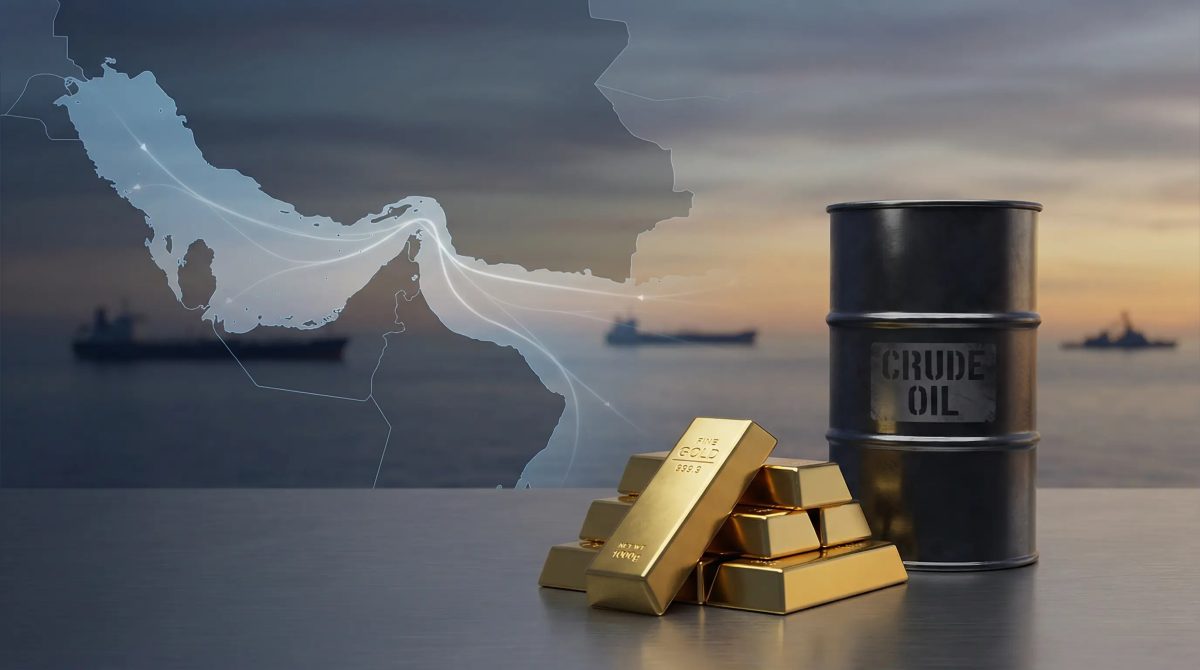
The Strait of Hormuz, one of the most critical chokepoints in global trade, has once again become the center of geopolitical tension. With nearly 20% of the world’s oil supply passing through this narrow passage, any disruption sends shockwaves across global markets—from energy to currencies, and ultimately, to luxury goods like gold and diamond jewellery.
As tensions escalate in 2026, the ripple effects are already visible. Oil prices have surged past $100 per barrel, with forecasts suggesting they could reach as high as $150 if the crisis persists. This energy shock is now cascading into the jewellery industry in complex and often misunderstood ways.
The Immediate Impact: Oil Prices and Inflation
The most direct consequence of a Hormuz closure is the spike in oil prices. When oil becomes more expensive, the cost of transportation, manufacturing, and logistics increases across all industries.
For jewellery, this means:
- Higher shipping costs for raw materials like gold and diamonds
- Increased production expenses (especially energy-intensive refining and polishing)
- Rising retail prices due to inflationary pressure
This creates a cost-push inflation effect, where jewellery prices rise not necessarily because of higher demand, but because it becomes more expensive to produce and deliver products.
Gold Prices: A Surprising Short-Term Decline
Traditionally, gold is seen as a “safe-haven” asset during geopolitical crises. However, the current situation is more nuanced.
Despite rising tensions, gold prices have recently declined and become highly volatile.
Why?
Because:
- Surging oil prices are fueling inflation fears
- Central banks may delay interest rate cuts or even raise rates
- A stronger US dollar is making gold less attractive
In fact, gold has dropped from its 2026 peak, even amid ongoing conflict.
What this means for jewellery:
- Short term: Gold jewellery prices may not rise as sharply as expected
- Medium term: Volatility creates uncertainty for both retailers and buyers
Long-Term Outlook for Gold Jewellery
While short-term fluctuations may push prices down, the long-term outlook tells a different story.
Gold prices in 2026 have been supported by:
- Central bank buying
- Currency devaluation in emerging markets
- Persistent geopolitical instability
- The ongoing Strait of Hormuz crisis itself
If the closure continues:
- Inflation will likely remain high
- Investors will eventually return to gold as a hedge
- Gold prices are expected to trend upward again
This suggests that gold jewellery may become more expensive over time, even if short-term dips occur.
Diamond Jewellery: Indirect but Significant Impact
Unlike gold, diamonds are not directly tied to commodity markets in the same way. However, they are still heavily affected by global economic conditions.
The Hormuz crisis impacts diamonds through:
1. Supply Chain Disruptions
Diamond mining, cutting, and distribution rely on global logistics. Rising fuel costs and shipping delays increase the cost of bringing diamonds to market.
2. Consumer Demand Shifts
In times of economic uncertainty:
- Consumers tend to delay luxury purchases
- Demand for high-end diamond jewellery may slow
3. Currency and Liquidity Pressures
As inflation rises and liquidity tightens:
- Buyers prioritize essentials over luxury
- Retailers may face slower turnover and pricing pressure
The Bigger Picture: Jewellery as a Reflection of Global Instability
The closure of the Strait of Hormuz is not just an energy story—it is a macro-economic event affecting every layer of the global economy.
We are seeing:
- Energy crisis → Inflation
- Inflation → Interest rate pressure
- Interest rates → Currency strength
- Currency shifts → Commodity volatility
- Commodity volatility → Jewellery price instability
This chain reaction explains why gold and diamond jewellery prices are behaving unpredictably.
What Buyers and Investors Should Expect
For consumers and investors in the jewellery market, the key takeaway is volatility.
- Gold jewellery: Expect short-term fluctuations but long-term upward pressure
- Diamond jewellery: Expect stable supply-driven price increases but softer demand
- Overall market: Expect uncertainty, not stability
Reshaping Global Markets
The Strait of Hormuz crisis is reshaping global markets in real time. While oil is at the center of the storm, its effects extend far beyond energy—reaching even the most refined luxury sectors like gold and diamond jewellery.
For brands, retailers, and buyers, this is a moment that requires strategic thinking. Pricing, inventory, and purchasing decisions must all adapt to a rapidly changing economic landscape.
Because in today’s world, even something as timeless as jewellery is no longer immune to geopolitics.
View Abdullah Sakkijha Jewelry’s latest collections and pieces: https://abdullahsakkijha.com/
Visit us: Swefieh, Al-Hamra Street – Amman, Jordan
Follow us on our socials:
Instagram | Facebook |Snapchat | TikTok | YouTube

Add comment