Why MENA and Asia Value Gold Differently Than the West
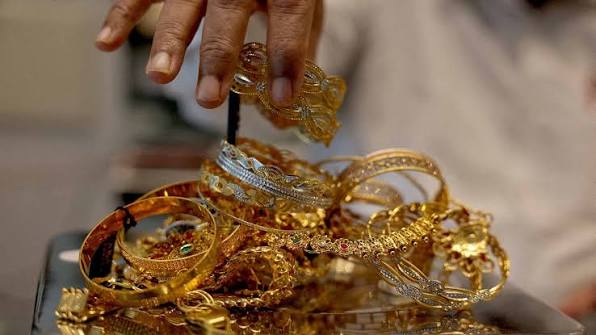
Gold has captivated humanity for millennia. Yet, if you look at how it is purchased, worn, and stored across the globe, a stark divide emerges. While Western countries primarily view gold as a financial hedge or a luxury fashion statement, the Middle East, North Africa (MENA), and Asia treat the precious metal as a fundamental pillar of cultural identity, family security, and generational wealth.
Whether you are an investor tracking global commodities or a jewelry enthusiast, understanding the deep-rooted motives behind Eastern gold consumption is essential. Here is a deep dive into why gold holds a vastly different weight in MENA and Asia compared to the West.

1. Deeply Rooted in Culture, Not Just Portfolios
In the West, purchasing gold is often a sterile transaction—buying a gold-backed ETF or a 1 oz bullion coin to diversify a retirement portfolio. In Asia and the Middle East, buying gold is deeply emotional and intertwined with daily life, spirituality, and celebration.
-
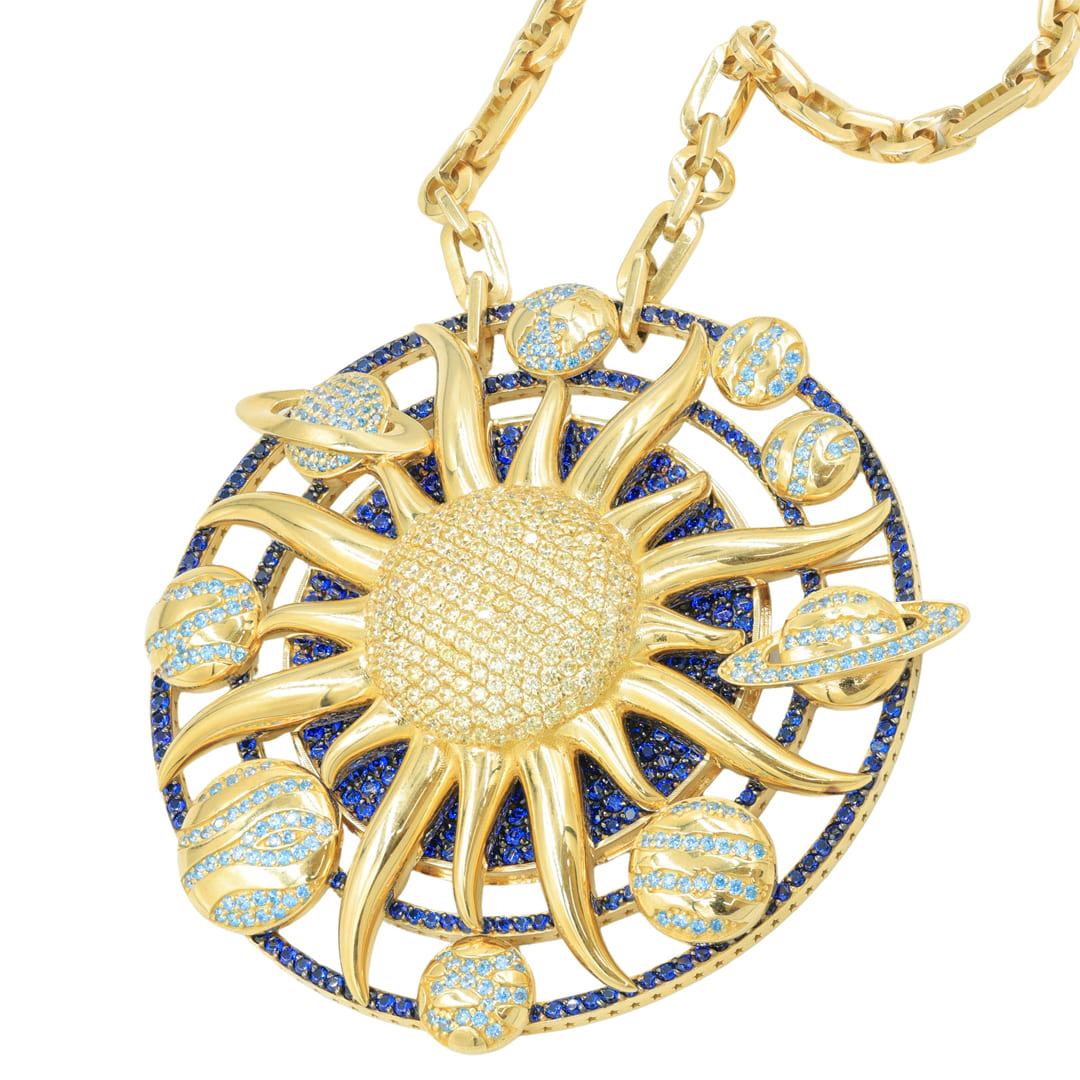
India and South Asia: Gold is considered a symbol of purity, prosperity, and good fortune. It is integral to festivals like Diwali and forms a crucial part of a woman’s stridhan (personal wealth) through wedding dowries and gifts like the Mangalsutra.
-
The Middle East: Gold is synonymous with honor, status, and blessings. During Eid, it is common to gift gold coins or small jewelry pieces to children to symbolize good fortune for the year ahead.
Furthermore, the standard of the metal itself differs. While 14K and 18K gold dominate Western fashion jewelry for their durability, 22K (91.6% purity) and 24K gold are the absolute standards in MENA and Asia. The high purity reflects not just material value, but integrity and a deeper emotional connection.
2. Portable Wealth and Generational Security
The historical context of the MENA and Asian regions heavily influences modern buying habits. Long before modern banking or the oil boom, Gulf merchants and nomadic communities relied on trade routes connecting the Arabian Peninsula to India and Persia.
In these trade-based and sometimes historically volatile environments, gold served as the ultimate form of portable, liquid wealth:
-
Unlike real estate, it could be carried across borders.
-
Unlike fiat currency, it was universally recognized and inflation-proof.
Today, even with highly developed economies, this cultural wisdom persists. Families in the Gulf and across Asia continue to allocate significant portions of their savings into high-purity gold heirlooms, viewing them as a financial safeguard that can be easily liquidated during economic uncertainties.
Comparing Regional Gold Markets
To see exactly how the Eastern and Western approaches differ, look at their primary forms of ownership and motivations:
| Region | Primary Form of Gold | Core Cultural & Financial Motivations |
| Asia (India/China) | 22k/24k Jewelry, Bars, Coins | Wealth preservation, Dowry, Festivals (e.g., Diwali), Risk hedging |
| MENA (Middle East) | 22k Heirloom Jewelry, Coins | Generational wealth, Eid gifts, Weddings, Liquid assets |
| Western Countries | ETFs, 14k/18k Fashion Jewelry | Portfolio diversification, Luxury adornment, Safe haven |
Key takeaway: In the West, gold is an alternative asset. In the East, it is often the foundational asset.
3. The Western Contrast: Financial Assets and Fashion
To understand the Eastern affinity for gold, we must look at the Western contrast. In North America and Europe, gold is generally viewed through two distinct lenses:
-
High-End Fashion: Gold jewelry is treated as an accessory, not an investment. Because it is often alloyed down to 14K for durability and set with expensive gemstones, the resale value of Western jewelry rarely matches its retail price.
-
Paper Markets: Western investors prefer the convenience of “paper gold.” They buy Gold-backed ETFs (Exchange Traded Funds) or shares in mining companies. It is a macroeconomic play to hedge against stock market volatility and adjust to interest rates, rather than a physical heirloom to hold in a safe.
4. What the Latest Data Tells Us
The numbers firmly back up these cultural differences. According to 2026 data from the World Gold Council, the East continues to aggressively buy the physical metal, while the West trades the paper.
-
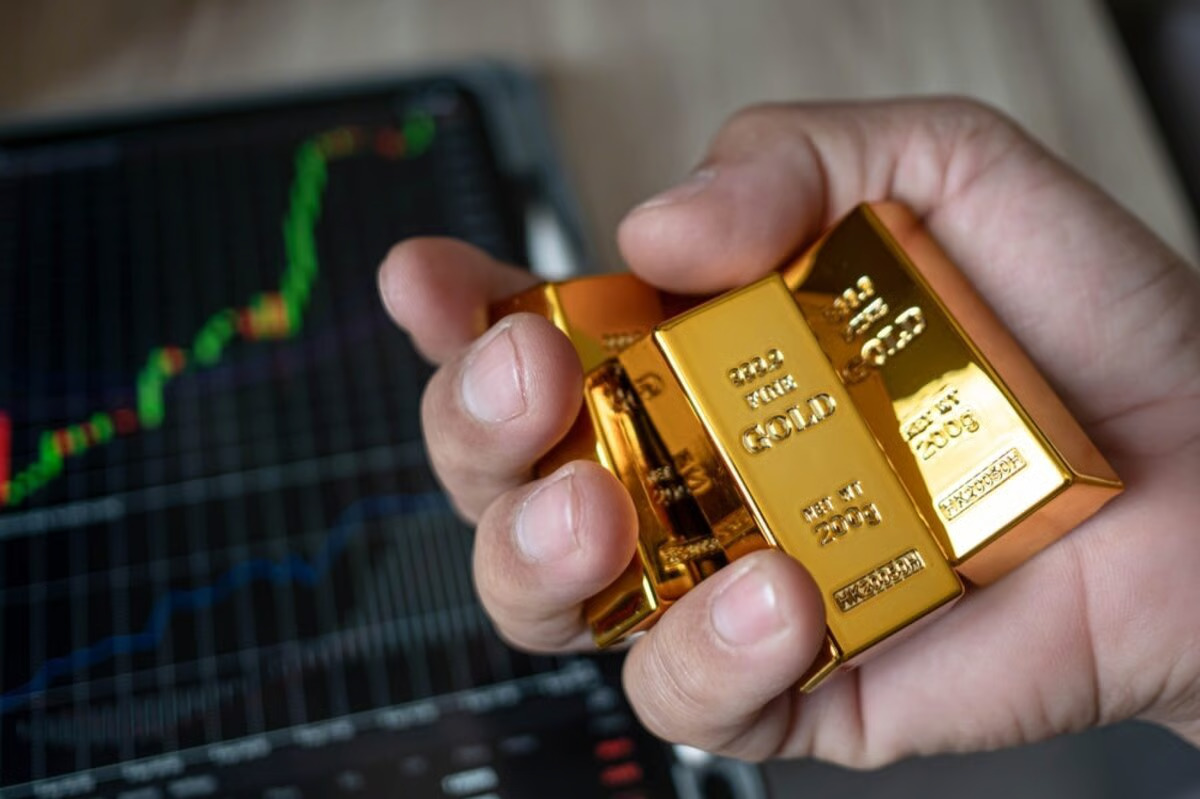
Asian Demand Surge: In the first half of 2026, Asian investors led the charge in over-the-counter (OTC) and physical investment. For instance, in Q1 2026, global bar and coin demand spiked 42% year-over-year to 474 tonnes—the second-highest quarter on record—driven massively by Asian buyers hoarding physical investment products.
-
MENA Resilience: Despite record-high gold prices in 2026, Middle Eastern investors continue to view gold as a premier safe haven. The UAE led regional investment demand in Q2 2026, surging 34% quarterly and 30% annually, proving that cultural reliance on physical gold remains unshaken by short-term price tags.
-
Western ETF Outflows: Meanwhile, Western investment momentum heavily favors paper assets, which fluctuate based on interest rates. In Q2 2026, global gold-backed ETFs actually saw 45 tonnes of outflows, primarily driven by North American and European funds adjusting to U.S. Treasury yields and a strong dollar.
The Bottom Line
Gold’s allure is universal, but its utility is deeply regional. For the West, it is a tool for portfolio diversification and luxury aesthetics. But for the MENA region and Asia, gold is a tangible thread connecting the past to the future—a wearable savings account, a blessing for a new marriage, and a gleaming symbol of enduring heritage.
View Abdullah Sakkijha Jewelry’s latest collections and pieces: https://abdullahsakkijha.com/
Visit us: Swefieh, Al-Hamra Street – Amman, Jordan
Follow us on our socials:
Instagram | Facebook |Snapchat | TikTok | YouTube
Add comment