
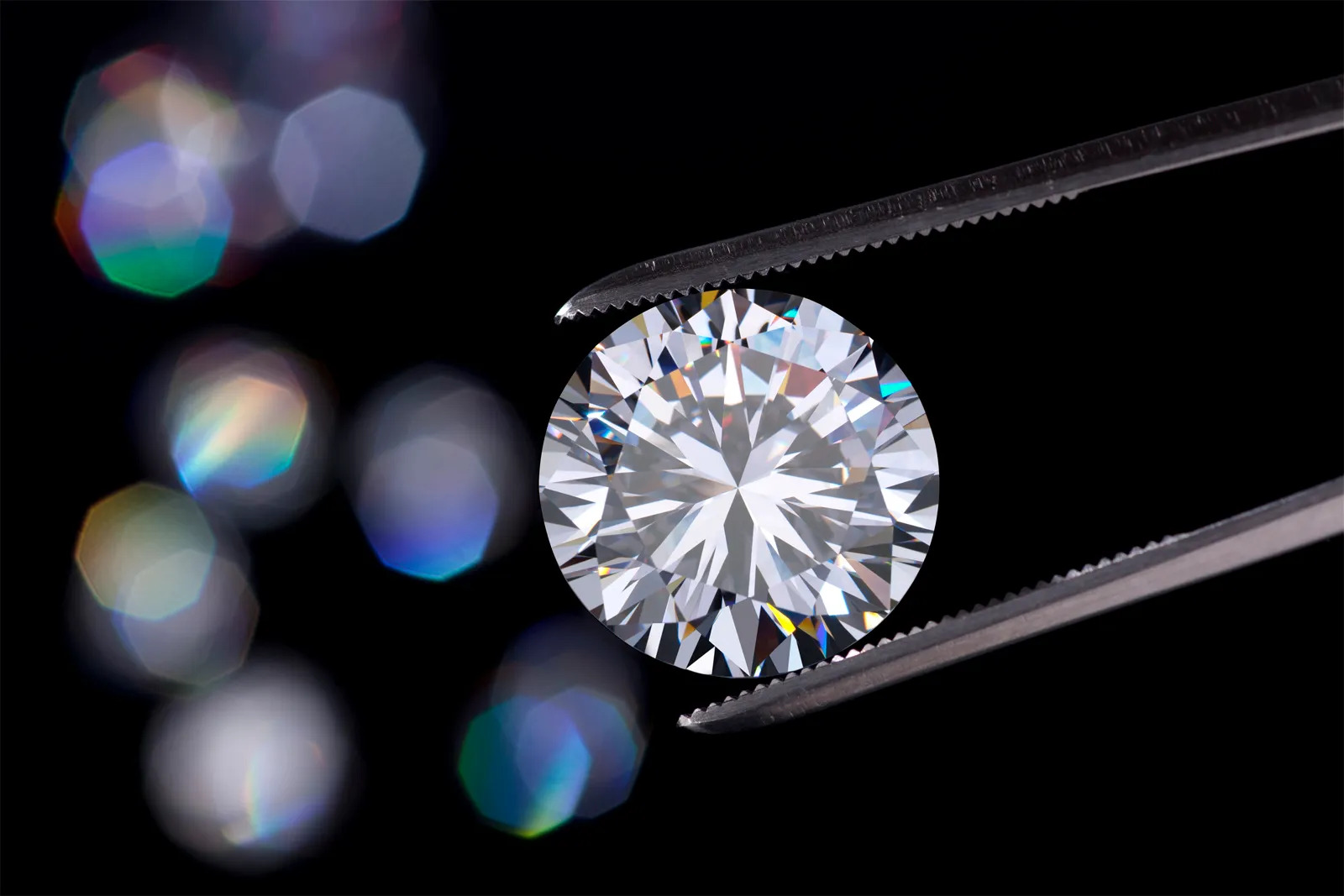
Why Have Diamond Prices Fallen Recently? Understanding the Shift in the Global Diamond Market
For decades, diamonds have been regarded as symbols of luxury, rarity, and lasting value. Their reputation as precious gemstones has made them a popular choice for engagement rings, fine jewellery, and investment collections. However, in recent years, consumers and industry professionals alike have noticed a significant decline in diamond prices. This has led many people to wonder: Why are diamonds becoming more affordable?
The answer lies in a combination of technological advancements, changing consumer preferences, economic conditions, and shifts within the global diamond industry. Understanding these factors can help buyers make informed decisions and potentially take advantage of one of the most attractive diamond-buying opportunities in recent history.
The Rise of Lab-Grown Diamonds
One of the biggest factors affecting natural diamond prices is the rapid growth of lab-grown diamonds. These diamonds are chemically, physically, and visually identical to natural diamonds but are created in controlled laboratory environments rather than mined from the earth.
As production technology has improved, lab-grown diamonds have become more accessible and significantly less expensive than their natural counterparts. Consumers who prioritize size, appearance, and value are increasingly choosing lab-grown options, reducing demand for natural diamonds and putting downward pressure on prices.
Increased Supply and Inventory Levels
The diamond market has also experienced an oversupply in recent years. Mining companies and wholesalers accumulated large inventories during periods when demand was expected to remain strong. However, global demand did not grow at the same pace.
As inventories increased, suppliers were forced to lower prices to encourage sales and move stock. When supply exceeds demand, price reductions become a natural market response.
Changing Consumer Preferences
Younger generations are approaching luxury purchases differently than previous generations. Many consumers today value experiences, travel, technology, and sustainability alongside traditional luxury goods.
While diamond jewellery remains highly desirable, modern buyers often conduct extensive research before making purchases and are more conscious of pricing. This increased transparency has created a more competitive market where retailers must offer better value to attract customers.
Additionally, some consumers are choosing alternative gemstones such as sapphires, emeralds, and moissanite, further diversifying demand within the jewellery industry.
Global Economic Uncertainty
Economic conditions have also played an important role in the recent decline in diamond prices. Inflation, rising living costs, and economic uncertainty in major markets have affected discretionary spending worldwide.
Luxury purchases, including diamond jewellery, are often among the first categories consumers postpone during uncertain economic periods. Reduced demand naturally places pressure on prices throughout the supply chain.
Changes in the Chinese Market
For many years, China was one of the world’s fastest-growing diamond markets. However, slowing economic growth and changing consumer behavior have led to weaker demand from Chinese buyers.
Because China represents a substantial share of global diamond consumption, any slowdown has a significant impact on the international market. Lower demand from such a major market contributes directly to price adjustments worldwide.
Greater Price Transparency
The internet has transformed the way consumers shop for diamonds. Buyers can now compare prices, quality grades, certifications, and retailers within minutes.
This transparency has reduced the pricing power that some sellers once enjoyed. Competition among retailers has increased dramatically, resulting in more competitive pricing and better deals for consumers.
Does a Price Decline Mean Diamonds Are Losing Their Value?
Not necessarily.
Diamonds continue to hold emotional, cultural, and aesthetic value. They remain one of the most popular choices for engagement rings and luxury jewellery worldwide. What has changed is the market’s pricing structure rather than the desirability of diamonds themselves.
In fact, lower prices can benefit consumers by allowing them to purchase larger or higher-quality diamonds within the same budget. For jewellery buyers, the current market conditions may represent an excellent opportunity to invest in a beautiful piece at a more attractive price point.
What This Means for Jewellery Buyers
For consumers considering a diamond purchase, today’s market offers several advantages:
- Better value for money.
- Greater selection of diamond sizes and qualities.
- More competitive pricing among retailers.
- Increased access to certified natural and lab-grown diamonds.
- Enhanced transparency and information when making purchasing decisions.
Rather than viewing falling diamond prices as a negative development, many buyers see it as an opportunity to own exceptional jewellery at a more accessible cost.
Recent Decline
The recent decline in diamond prices is the result of multiple factors working together, including the rise of lab-grown diamonds, increased supply, changing consumer preferences, economic uncertainty, and greater market transparency.
While the market has evolved, diamonds continue to symbolize love, commitment, and timeless elegance. For buyers seeking exceptional beauty and value, the current diamond market may offer some of the best purchasing opportunities seen in years.
Whether you’re searching for an engagement ring, a meaningful gift, or a personal luxury investment, understanding these market trends can help you make a confident and informed decision.
View Abdullah Sakkijha Jewelry’s latest collections and pieces: https://abdullahsakkijha.com/
Visit us: Swefieh, Al-Hamra Street – Amman, Jordan
Follow us on our socials:
Instagram | Facebook |Snapchat | TikTok | YouTube

Add comment