How Regional Tensions Are Shaping the Gold Jewellery Market
In times of geopolitical uncertainty, gold has always stood out as a symbol of stability and security. Across the Middle East and beyond, rising regional tensions are once again influencing consumer behavior, investment strategies, and the broader gold jewellery market. While gold jewellery has long been associated with beauty, tradition, and luxury, it is also deeply connected to economic confidence and global stability.
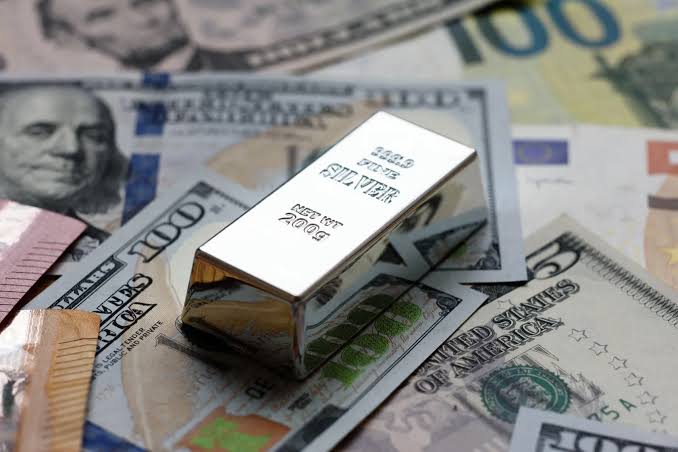
One of the most immediate impacts of regional tensions is the rise in global gold prices. Whenever political instability, conflicts, or economic uncertainty increase, investors tend to move their money toward safer assets. Gold has historically been one of the most trusted safe-haven assets, and this shift in investment demand pushes gold prices upward. As prices rise, jewellery manufacturers and retailers inevitably feel the effects because the cost of raw gold becomes significantly higher.
For jewellery buyers, this often creates a sense of urgency. Many consumers begin purchasing gold jewellery sooner rather than later, anticipating further price increases. In markets across the Middle East, gold jewellery is not only a fashion accessory but also a store of wealth that can be sold or traded later if needed. During uncertain periods, families may prefer buying gold jewellery instead of holding cash, viewing it as both a cultural and financial asset.
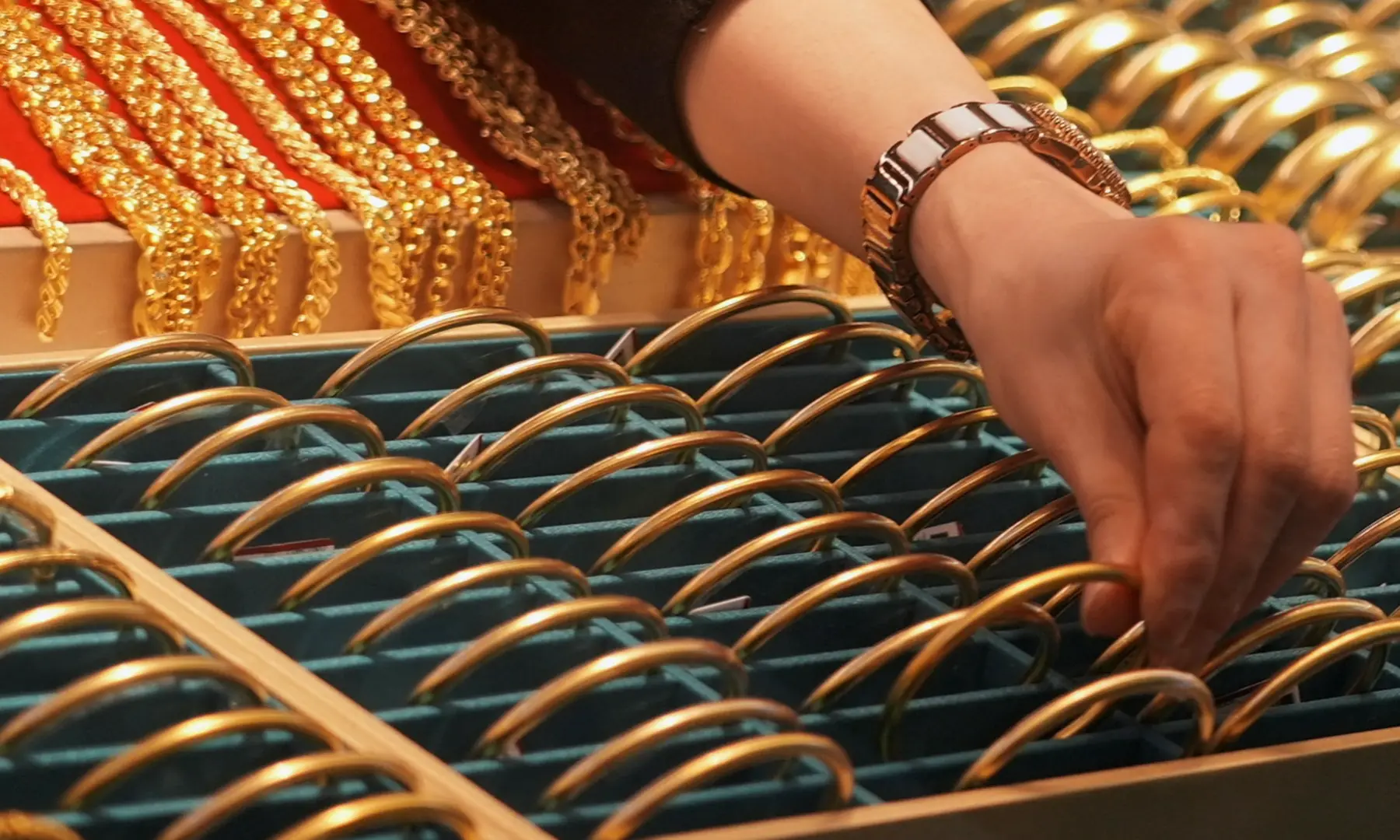
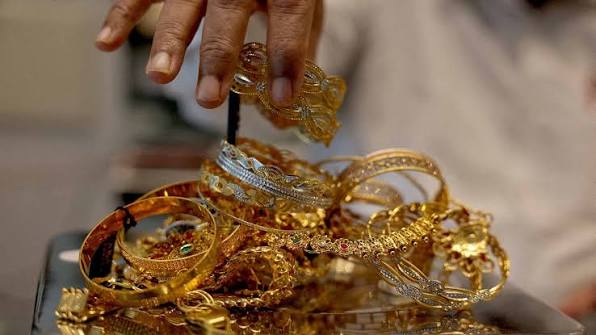
At the retail level, jewellers may experience both opportunities and challenges. On one hand, increased demand from investors and consumers seeking security can boost sales of certain types of gold jewellery, especially pieces with higher gold content and simpler designs where the intrinsic gold value matters more than the craftsmanship. On the other hand, high gold prices can make luxury or heavy pieces less affordable for some customers, pushing them toward lighter designs or lower carat options.
Manufacturers and designers also adapt their strategies during these periods. When gold prices rise sharply, jewellery brands often shift toward creating lighter pieces that maintain elegance while using less gold. This allows retailers to keep prices accessible while preserving profit margins. Innovative designs, hollow structures, and mixed-material jewellery become more common as brands look for ways to balance luxury with affordability.
Looking ahead, if regional tensions continue or escalate, volatility in gold prices is likely to persist. This means jewellery buyers may continue to view gold as both an adornment and a financial safeguard. Retailers who position gold jewellery as a blend of beauty and long-term value are likely to resonate more strongly with consumers during uncertain times.
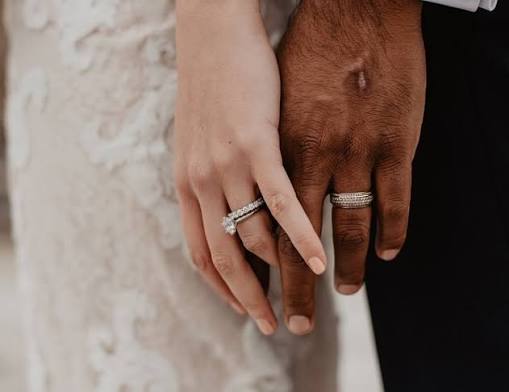
In addition, long-term geopolitical uncertainty may also strengthen the cultural role of gold jewellery in the region. For generations in the Middle East, gold has been closely tied to weddings, celebrations, and family wealth. During periods of instability, these traditions often become even more meaningful, reinforcing the demand for jewellery that carries both emotional and financial significance.
Ultimately, regional tensions do not diminish the importance of gold jewellery; rather, they reshape how consumers approach it. While price fluctuations can create short-term challenges for the jewellery industry, they also remind buyers why gold has remained valuable for thousands of years. As both a timeless accessory and a trusted store of value, gold jewellery continues to hold a unique place in the global market, especially during uncertain times.
View Abdullah Sakkijha Jewelry’s latest collections and pieces: https://abdullahsakkijha.com/
Visit us: Swefieh, Al-Hamra Street – Amman, Jordan
Follow us on our socials:
Instagram | Facebook |Snapchat | TikTok | YouTube



Add comment