
Will Gold Become So Expensive That Only the Ultra-Wealthy Can Afford It?
Gold has fascinated humanity for millennia, a symbol of wealth, beauty, and stability. From ancient kingdoms to modern financial markets, people have prized gold not just for jewelry and ornamentation, but as a store of value and hedge against uncertainty. But with rising global demand, shifting economic trends, and ongoing inflation pressures, some are asking: Could gold become so expensive that only the ultra-wealthy can afford it?
Let’s explore this question from economic, cultural, and investment perspectives.
What Determines the Price of Gold?
Before predicting the future, it helps to understand what moves gold prices today:
-
Supply and Demand: Gold is finite — mining yields are limited, and new discoveries are increasingly rare. At the same time, demand from jewelry makers, central banks, and investors keeps rising.
-
Market Sentiment: During economic uncertainty (recessions, inflation, geopolitical risk), investors flock to gold as a “safe haven,” pushing prices higher.
-
Currency Strength: Gold is typically priced in U.S. dollars. When the dollar weakens, gold often becomes more expensive in dollar terms.
Because gold is both a commodity and a financial asset, its price reflects not just physical demand but investor psychology.
The Ultra-Wealthy and Gold: A Growing Relationship
High-net-worth individuals and institutional investors have always held gold, but the nature of that holding is changing.
Diversification is a key reason. As global markets become more interconnected, wealthy investors increasingly use gold to balance risk in portfolios that include equities, real estate, and alternative assets.
Alternative formats are also expanding. Beyond physical bullion, the ultra-wealthy invest in gold derivatives, ETFs, and even tokenized gold on blockchain platforms.
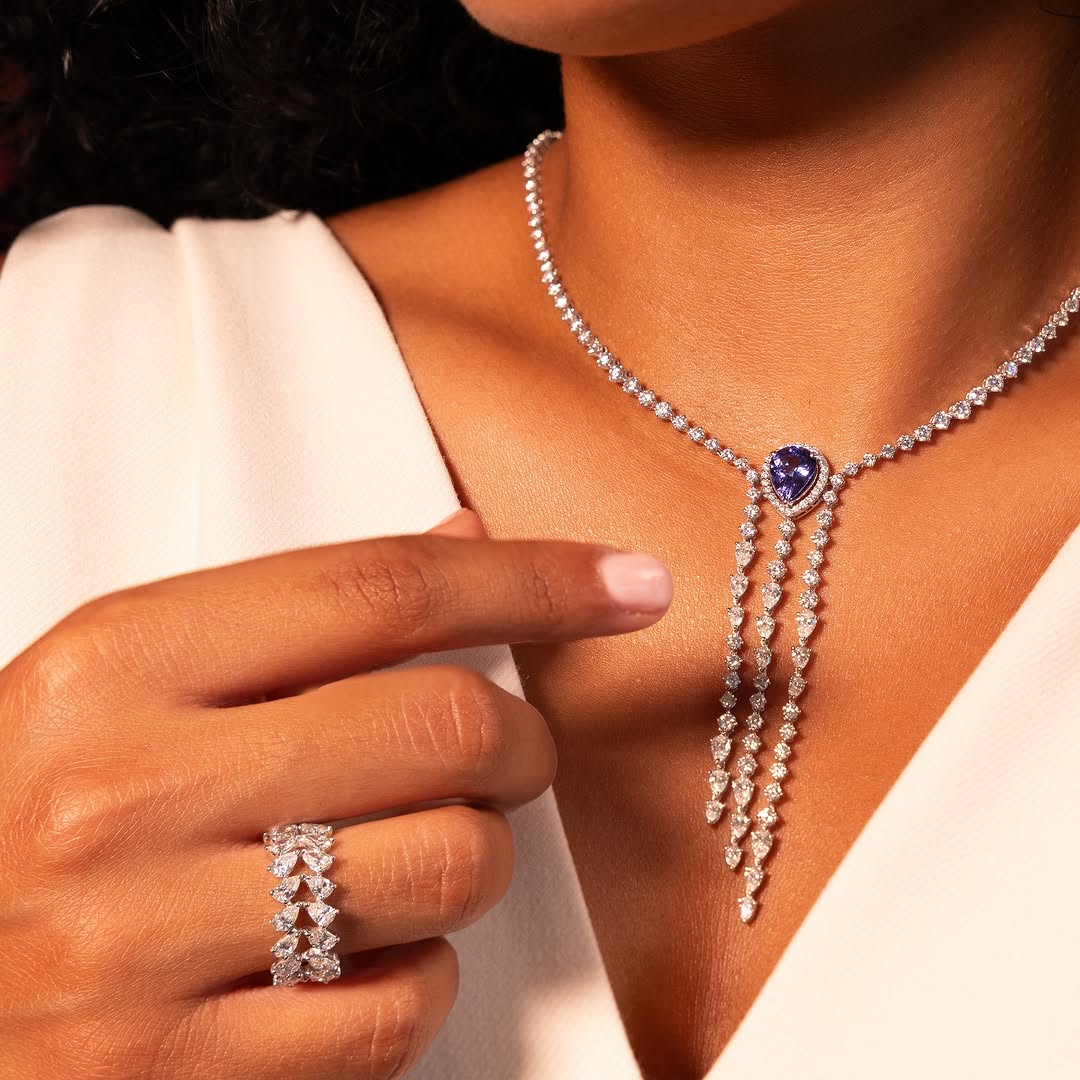
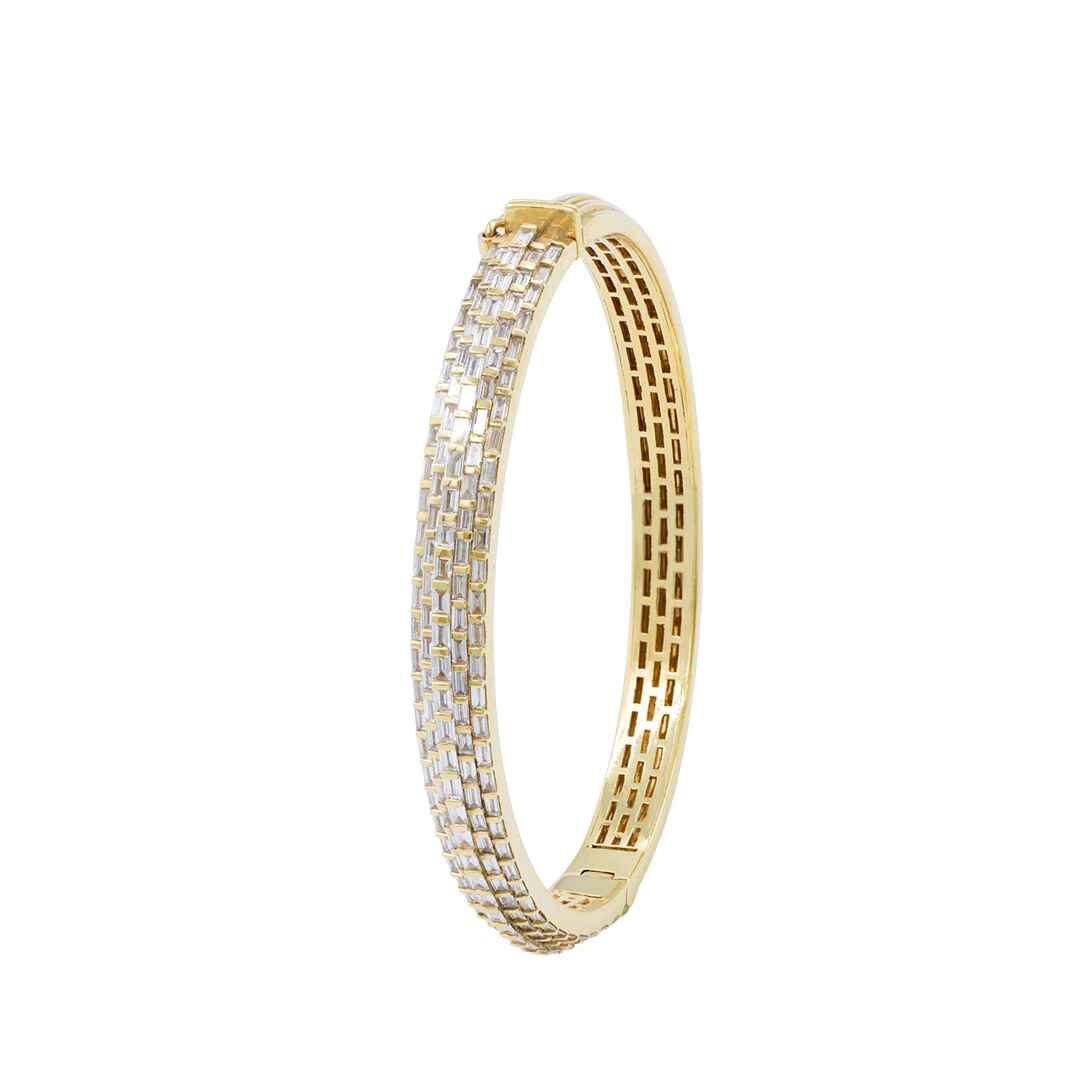
In luxury markets, gold is not just a material, it is a status symbol. High-end watches and bespoke jewelry pieces use gold not only for its intrinsic value but for its prestige.
This elevated demand means that as prices rise, gold increasingly becomes an investment vehicle and luxury asset favored by affluent buyers.
Will Only the Ultra-Wealthy Be Able to Afford Gold?
The short answer is not exactly, but the nature of gold ownership is changing.
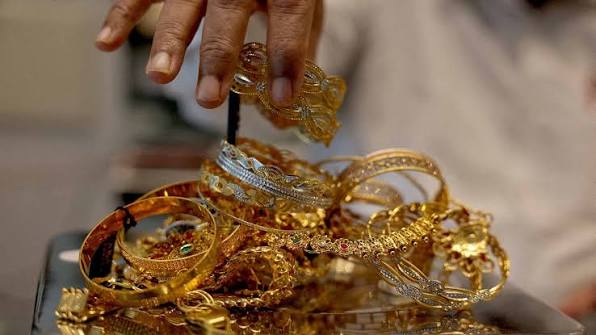
Gold as jewelry will always be broadly purchased. Gold jewelry is deeply rooted in cultural traditions worldwide, from weddings in India to gifting in the Middle East and East Asia. Because of this emotional and social value, everyday buyers continue to demand gold jewelry regardless of price.
In practice, higher gold prices can increase the per-gram price of gold jewelry, promote stronger sales of lower-weight designs that still carry symbolic value, and encourage fashion innovations that mix gold with other materials to reduce cost.
So while gold jewelry becomes more expensive, people of many income levels will still buy it, just less of it, or in smaller weights.
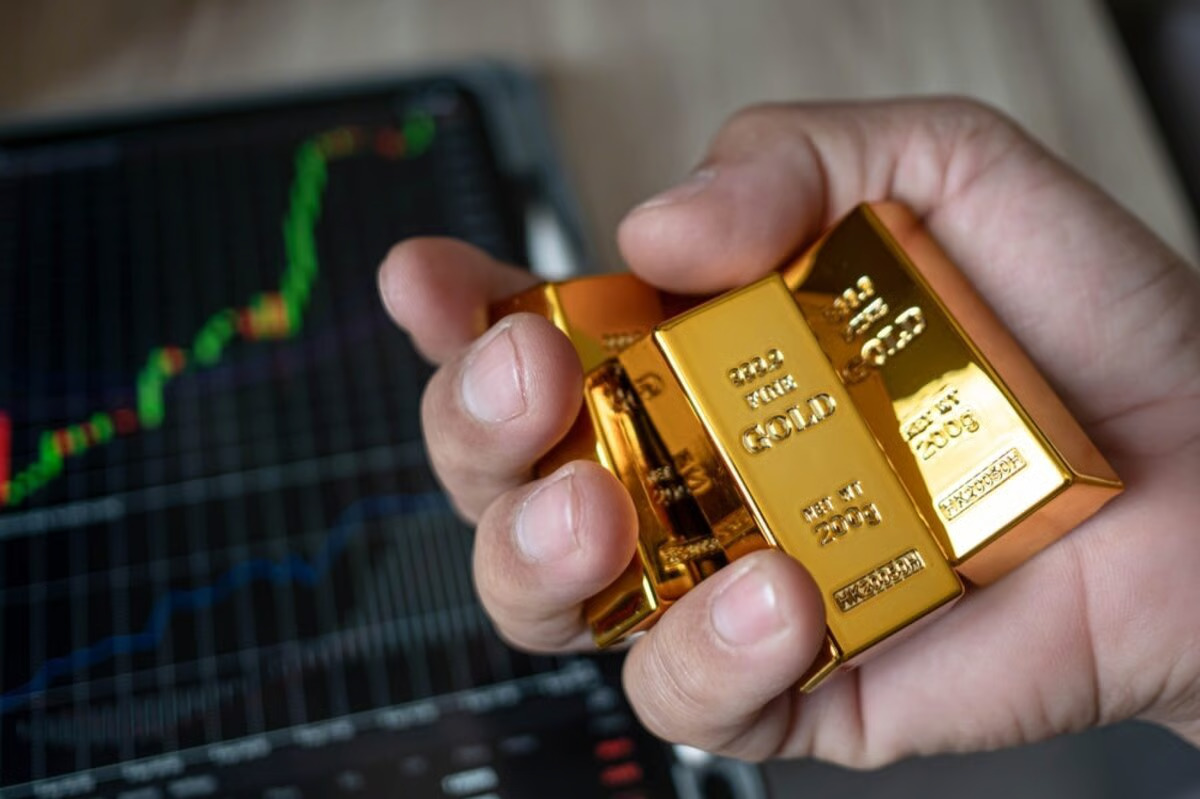
Investment demand, however, may increasingly favor the wealthy. If gold prices climb dramatically, barriers to entry as an investment could rise. Physical gold bars and coins become costly to acquire and store. Premiums on smaller denominations can be high, making them less efficient for everyday investors. Institutional demand from central banks and hedge funds can dominate price movements.
In this scenario, gold as an investment asset might increasingly be a space where affluent individuals and institutions dominate, potentially pricing out smaller retail investors who lack scale or access.
At the same time, financial innovation can broaden accessibility. Gold-backed digital tokens, fractional ownership platforms, and gold ETFs allow investors to own portions of gold without buying, storing, or insuring physical bullion. While gold may rise in absolute terms, access can still be democratized through innovation.
Broader Economic Forces at Play
Several global trends will influence whether gold becomes exclusive to the ultra-wealthy.
Inflation could elevate gold prices further, but central bank policies could also stabilize prices over time. Technological advances in mining and recycling may affect long-term supply and price dynamics. Cultural shifts toward alternative metals or different investment vehicles could reshape demand patterns.
Unlike purely speculative assets, gold’s value is anchored in both tradition and macroeconomic fundamentals — meaning it rarely behaves in extreme one-directional ways for long.
Affordable Only for the Ultra-Wealthy?
Gold may become more expensive, but not exclusively for the ultra-wealthy.
Demand from affluent investors might push prices higher, especially in financial markets. Luxury gold products could become even more premium. However, cultural jewelry demand and financial innovation will continue to allow broad access. Gold’s symbolic and emotional value means people of many income levels will still buy it — even if in smaller amounts.
View Abdullah Sakkijha Jewelry’s latest collections and pieces: https://abdullahsakkijha.com/
Visit us: Swefieh, Al-Hamra Street – Amman, Jordan
Follow us on our socials:
Instagram | Facebook |Snapchat | TikTok | YouTube


Add comment